Introduction
For more than two decades, search engine optimization (SEO) has been driven by one major concept: keywords. Marketers and website owners built entire strategies around identifying high-volume keywords and inserting them strategically into their content.
But the search landscape has changed dramatically.
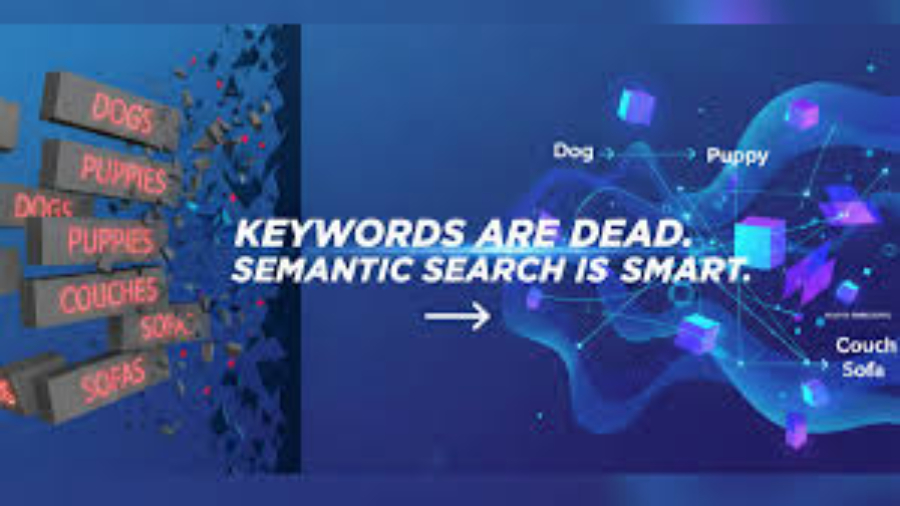
Search engines today are no longer simple keyword-matching machines. Modern algorithms now understand meaning, context, and user intent. Instead of simply looking for exact keyword matches, they interpret topics, relationships between words, and the purpose of a search query.
This shift has led many digital marketers to ask an important question:
Is the keyword dead?
The answer is both yes and no.
Keywords still matter, but they are no longer the primary foundation of SEO. Instead, search engines are moving toward semantic search, which focuses on understanding the meaning behind searches rather than just the words themselves.
This transformation is shaping what experts call the Semantic SEO strategy 2026.
In this article, we will explore:
- Why traditional keyword SEO is fading
- How semantic search works
- The rise of AI-driven search engines
- How to build a powerful semantic SEO strategy
- Why topic clusters and entities matter
- Practical optimization techniques for 2026 and beyond
By the end of this guide, you will understand exactly how to adapt your SEO strategy for the future of search.
Understanding Traditional Keyword SEO
Before we explore semantic search, it is important to understand how traditional keyword SEO worked.
Early search engines were relatively simple. Their ranking systems relied heavily on matching keywords from a user query with keywords on a webpage.
For example:
If someone searched for:
“Best digital marketing agency”
Google would look for pages containing that exact phrase.
Common Keyword SEO Practices
Traditional SEO strategies included:
- Keyword stuffing
- Exact match keywords
- High keyword density
- Optimizing titles and headings with keywords
- Building pages around individual keywords
Example:
A marketer might create separate pages for:
- best digital marketing agency
- digital marketing agency near me
- top digital marketing agency
Even though the intent behind all these queries was similar.
Problems With Keyword-Only SEO
This keyword-focused approach created several problems:
Low Quality Content
Many websites created thin content just to rank for keywords.
Keyword Stuffing
Pages often repeated keywords unnaturally.
Poor User Experience
Content was optimized for algorithms instead of readers.
Manipulative SEO Practices
Some websites exploited keyword ranking tricks to dominate search results.
Search engines eventually realized this model was flawed.
They needed to understand what users actually meant, not just what words they typed.
That realization led to the development of semantic search.
What is Semantic Search?
Semantic search is the process where search engines attempt to understand the meaning, intent, and context behind a search query.
Instead of focusing on exact keywords, search engines analyze:
- Search intent
- Context of the query
- Relationships between words
- User behavior
- Entities and topics
This allows search engines to deliver more accurate and helpful results.
Example of Semantic Search
User Query:
“Apple price”
The search engine must understand whether the user means:
- Apple fruit
- Apple stock price
- Apple iPhone price
- Apple company products
Semantic search uses context signals to determine the most relevant meaning.
The Evolution of Search Engines
Several major algorithm updates pushed search toward semantic understanding.
Google Hummingbird
Introduced better natural language processing and query interpretation.
Google RankBrain
Used machine learning to understand search queries.
BERT Algorithm
Improved understanding of conversational queries.
MUM Algorithm
Allowed search engines to understand complex questions across languages.
These innovations made it possible for search engines to interpret search intent rather than simple keywords.
Why Keywords Alone No Longer Work
The rise of AI and machine learning has transformed how search engines rank content.
Here are the main reasons traditional keyword strategies are declining.
Search Intent Matters More Than Keywords
Search engines now focus on why a user searches.
Common search intents include:
- Informational
- Navigational
- Transactional
- Commercial investigation
If your content does not match the intent, it will struggle to rank.
Natural Language Queries
People now search using conversational phrases such as:
- “What is the best SEO strategy for small businesses?”
- “How does semantic SEO work?”
Voice search and AI assistants have accelerated this trend.
AI-Powered Search Engines
AI-powered systems analyze:
- Meaning
- Context
- Topic relevance
- Knowledge relationships
This reduces dependence on exact keyword matching.
The Rise of Semantic SEO
Semantic SEO focuses on optimizing content for topics, meaning, and context rather than just keywords.
The goal is to help search engines understand:
- What your content is about
- How it relates to other topics
- How well it answers user questions
This approach forms the foundation of Semantic SEO strategy 2026.
Key Components of Semantic SEO Strategy 2026
To succeed in modern search, marketers must focus on several critical elements.
Topic Clusters
Topic clusters organize content around a central theme.
Instead of creating separate pages for similar keywords, you build:
- One pillar page
- Multiple supporting articles
Example:
Pillar Topic:
Digital Marketing
Supporting Articles:
- SEO strategies
- Social media marketing
- Content marketing
- PPC advertising
This structure helps search engines understand content relationships.
Search Intent Optimization
Content should be designed around what the user wants to achieve.
Examples:
Informational Intent
“How does SEO work?”
Transactional Intent
“Buy SEO tools online”
Matching search intent improves rankings significantly.
Entity-Based SEO
Entities are things or concepts recognized by search engines, such as:
- Brands
- People
- Locations
- Products
Search engines build knowledge graphs linking these entities.
Optimizing content around entities improves semantic relevance.
Contextual Content
Modern search engines evaluate:
- Related terms
- Synonyms
- Supporting topics
- Natural language
Instead of repeating the same keyword, content should include related concepts.
Example:
Topic: SEO
Related concepts:
- search rankings
- organic traffic
- search algorithms
- backlinks
- website optimization
Structured Data
Structured data helps search engines understand the meaning of content.
Examples include:
- FAQ schema
- Article schema
- Product schema
- Review schema
This improves search visibility and rich results.
How AI is Shaping the Future of Search
Artificial intelligence is rapidly transforming how search works.
Modern search engines now rely on:
- machine learning
- natural language processing
- knowledge graphs
- AI-generated answers
Search results increasingly include:
- AI summaries
- featured snippets
- knowledge panels
This makes semantic optimization even more important.
Building a Semantic SEO Strategy 2026
Now let’s explore practical steps to implement semantic SEO.
Focus on Topics, Not Keywords
Instead of targeting one keyword per page, focus on comprehensive topic coverage.
Example:
Topic: Digital Marketing
Include subtopics like:
- SEO
- content marketing
- email marketing
- analytics
- paid advertising
This improves topical authority.
Conduct Intent-Based Keyword Research
Keyword research is still important, but the goal is different.
Instead of focusing only on search volume, analyze:
- user intent
- search context
- question-based queries
Tools like:
- Google Search
- keyword research tools
- AI SEO platforms
can help identify these patterns.
Create Comprehensive Content
Long-form content often performs better because it covers topics in depth.
High-quality semantic content should include:
- definitions
- explanations
- examples
- case studies
- FAQs
This signals expertise to search engines.
Use Internal Linking
Internal links help search engines understand content relationships.
Example:
A page about SEO might link to articles about:
- backlinks
- keyword research
- content marketing
This builds topical authority.
Optimize for AI Search
AI search engines analyze content differently.
To optimize for AI-driven results:
- write clear explanations
- answer common questions
- structure content logically
- use headings and lists
This increases the chances of appearing in AI-generated answers.
Common Mistakes to Avoid
Even experienced marketers make mistakes when transitioning to semantic SEO.
Keyword Stuffing
Repeating keywords excessively harms readability and rankings.
Thin Content
Short articles that lack depth struggle to rank.
Ignoring User Intent
Content that does not solve user problems will fail.
Poor Content Structure
Disorganized content is harder for search engines to understand.
Benefits of Semantic SEO
Adopting a Semantic SEO strategy 2026 offers several advantages.
Better Search Rankings
Content aligned with search intent ranks higher.
Improved User Experience
Helpful content increases engagement.
Higher Organic Traffic
Semantic optimization captures more related queries.
Future-Proof SEO
Semantic strategies adapt better to algorithm updates.
The Future of SEO
SEO is evolving rapidly.
Future search trends include:
- AI-driven search engines
- conversational queries
- personalized search results
- voice search
- visual search
In this environment, semantic understanding will dominate search rankings.
Marketers who continue focusing only on keywords will struggle to compete.
Conclusion
The idea that keywords are dead is not entirely accurate.
Keywords still play an important role in SEO.
However, they are no longer the foundation of search optimization.
Modern search engines are focused on meaning, context, and intent.
This shift has created a new era of optimization built around semantic understanding.
Businesses that adopt a Semantic SEO strategy 2026 will gain significant advantages in visibility, traffic, and search performance.
Instead of chasing individual keywords, marketers must focus on:
- topic authority
- user intent
- entity optimization
- comprehensive content
The future of SEO belongs to those who understand the language of search engines and the needs of users.
And that future is semantic.