The Cookieless Future: Build a Powerful First-Party Data Strategy in 2026

Introduction: The End of Third-Party Cookies and the Beginning of Control

The digital marketing landscape is undergoing a massive transformation. For years, marketers relied heavily on third-party cookies to track users, target ads, and optimize campaigns. But as privacy concerns grow and regulations tighten, this era is coming to an end.

The cookieless future is no longer a distant possibility—it is already here.

Major browsers are phasing out third-party cookies, consumers are becoming more privacy-conscious, and governments are implementing stricter data protection laws. In this new environment, businesses must adapt or risk becoming irrelevant.

This is where a strong first-party data strategy becomes essential.

Instead of depending on external platforms, brands must now collect, manage, and leverage their own data directly from customers. This shift is not just a technical adjustment—it is a fundamental change in how businesses build relationships, trust, and long-term value.

Welcome to the era of the first-party data fortress.

What Is First-Party Data?

First-party data refers to information that a company collects directly from its audience. This includes:

  • Website behavior (pages visited, time spent)
  • Purchase history
  • Email interactions
  • Customer feedback
  • App usage data
  • CRM data

Unlike third-party data, which is collected by external providers, first-party data is owned, controlled, and verified by your business.

Why First-Party Data Matters More Than Ever

A well-executed first-party data strategy offers several advantages:

  • Accuracy: Data comes directly from your customers
  • Privacy Compliance: Easier to align with regulations like GDPR and CCPA
  • Trust Building: Customers are more willing to share data when transparency exists
  • Long-Term Value: You own the data, not a third party

In a cookieless world, this is your most valuable asset.

Understanding the Cookieless Shift

Why Third-Party Cookies Are Disappearing

Several factors have accelerated the decline of third-party cookies:

  1. Privacy regulations
  2. Browser restrictions
  3. Consumer awareness
  4. Data misuse scandals

Users no longer want to be tracked without consent. They demand transparency and control.

Impact on Marketers

Without third-party cookies, marketers face:

  • Reduced tracking capabilities
  • Limited ad targeting
  • Less personalization from external data
  • Difficulty in attribution

However, this shift also creates an opportunity to build stronger, direct relationships with customers.

What Is a First-Party Data Fortress?

A first-party data fortress is a secure, scalable, and strategic system that allows businesses to:

  • Collect customer data ethically
  • Store it securely
  • Analyze it effectively
  • Activate it across marketing channels

Think of it as your brand’s central intelligence system.

Key Characteristics of a Data Fortress

  • Consent-driven data collection
  • Unified customer profiles
  • Strong data governance
  • Advanced analytics capabilities
  • Cross-channel activation

Step-by-Step Guide to Building Your First-Party Data Strategy

Audit Your Current Data Ecosystem

Start by understanding what data you already have:

  • CRM systems
  • Website analytics
  • Email marketing tools
  • Social media insights

Identify gaps and redundancies.

Define Clear Objectives

Ask yourself:

  • What do we want to achieve?
  • Better personalization?
  • Higher conversions?
  • Improved retention?

Your first-party data strategy should align with business goals.

Create Value Exchanges

Customers will only share data if they receive value in return.

Examples include:

  • Exclusive content
  • Discounts and rewards
  • Personalized recommendations
  • Loyalty programs

Optimize Data Collection Points

Focus on touchpoints such as:

  • Website forms
  • Landing pages
  • Mobile apps
  • Checkout processes

Make data collection seamless and transparent.

Implement a Customer Data Platform (CDP)

A CDP helps unify customer data from multiple sources into a single view.

Benefits include:

  • Real-time insights
  • Better segmentation
  • Improved targeting

Ensure Data Privacy and Compliance

Transparency is key.

  • Use clear consent mechanisms
  • Provide opt-in/opt-out options
  • Follow legal guidelines

Activate Your Data

Use your data across:

  • Email marketing
  • Paid advertising
  • Content personalization
  • Customer support

Continuously Optimize

Your strategy should evolve based on insights and performance.

First-Party Data Collection Strategies That Work in 2026

Zero-Party Data Collection

Zero-party data is information customers intentionally share.

Examples:

  • Preferences
  • Interests
  • Feedback

This is the most valuable form of data.

Interactive Content

Quizzes, surveys, and polls encourage engagement and data sharing.

Loyalty Programs

Reward customers for sharing data and engaging with your brand. Email Subscriptions

Gated Content

Use ebooks, webinars, and courses to collect user data.

Personalization in a Cookieless World

First-party data enables deeper personalization:

  • Product recommendations
  • Customized emails
  • Dynamic website experiences

The result?

Higher engagement and better customer experiences.

Building Customer Trust: The Foundation of Your Data Strategy

Trust is the currency of the cookieless era.

How to Build Trust

  • Be transparent about data usage
  • Deliver real value
  • Protect customer information
  • Respect user preferences

When customers trust you, they willingly share data.

Tools and Technologies for First-Party Data Strategy

Essential Tools

  • Customer Data Platforms (CDPs)
  • CRM systems
  • Marketing automation tools
  • Analytics platforms

Emerging Technologies

  • AI-driven insights
  • Predictive analytics
  • Privacy-first tracking solutions

Common Challenges and How to Overcome Them

Data Silos

Solution: Integrate systems and centralize data.

Low User Participation

Solution: Improve value exchange and user experience.

Compliance Issues

Solution: Stay updated with regulations.

Lack of Expertise

Solution: Invest in training and tools.

The Role of AI in First-Party Data Strategy

AI enhances your ability to:

  • Analyze large datasets
  • Predict customer behavior
  • Automate personalization

This makes your data fortress smarter and more efficient.

Case Studies: Brands Winning in a Cookieless World

E-commerce Brand

Used first-party data to increase repeat purchases by 40%.

SaaS Company

Built a strong email list and reduced ad dependency.

Media Platform

Leveraged subscriptions and user profiles for personalization.

Future Trends in First-Party Data Strategy

  • Increased focus on privacy
  • Growth of zero-party data
  • AI-driven marketing
  • Decline of third-party tracking

Businesses that adapt early will lead the market.

Action Plan: Build Your Data Fortress Today

  1. Start collecting first-party data
  2. Invest in the right tools
  3. Focus on customer trust
  4. Continuously optimize

Conclusion: Own Your Data, Own Your Future

The cookieless future is not a challenge—it is an opportunity.

By building a strong first-party data strategy, you gain control, improve customer relationships, and create sustainable growth.

Your data is your most valuable asset.

Protect it. Use it. Grow with it.

The time to build your first-party data fortress is now.
The 3-Second Hook: Psychology of Short-Form Video That Converts | Short-form Video Lead Generation Guide 2026

Introduction: The Attention Economy is Brutal

Scroll. Swipe. Skip.

That’s the reality of content consumption in 2026.

You don’t have minutes to impress your audience. You don’t even have 10 seconds.

You have 3 seconds.

In today’s digital landscape dominated by platforms like Instagram Reels, YouTube Shorts, and TikTok, your content either hooks instantly—or it disappears into oblivion.

This is where the concept of the “3-second hook” becomes critical.

It’s not just a creative trick. It’s rooted in psychology, neuroscience, and behavioral science. The first 3 seconds determine whether your content converts into:

  • A view
  • A like
  • A share
  • A follow
  • Or most importantly… a lead

In this detailed guide, we’ll break down:

  • The psychology behind short attention spans
  • Why the first 3 seconds matter more than ever
  • Proven hook frameworks that convert
  • Mistakes that kill engagement
  • Strategies for short-form video lead generation
  • Real-world applications for marketers and creators

Why 3 Seconds Matter More Than Ever

The Death of Long Attention Spans

The average human attention span has dropped significantly over the past decade. With constant exposure to digital stimuli, our brains have adapted to:

  • Scan faster
  • Decide quicker
  • Ignore irrelevant content instantly

When a user scrolls through their feed, they are subconsciously asking:

“Is this worth my attention?”

And they answer that question in under 3 seconds.

The Scroll-Stopping Moment

Your content competes with:

  • Viral videos
  • Influencers
  • Memes
  • Ads
  • Friends’ content

If your video doesn’t immediately:

  • Spark curiosity
  • Trigger emotion
  • Provide value

…it gets skipped.

The Psychology Behind the Hook

Understanding human psychology is the foundation of a powerful hook.

The Curiosity Gap

Humans are wired to seek closure.

When there’s a gap between what we know and what we want to know, we feel compelled to stay.

Example:

  • “You’re making this mistake in your marketing…”
  • “No one talks about this secret…”

This creates mental tension, forcing the viewer to keep watching.

Pattern Interruption

People scroll on autopilot.

To grab attention, you must break their pattern.

How?

  • Sudden movement
  • Unexpected visuals
  • Contrarian statements
  • Loud or unusual sounds

Example:

  • Starting with “Stop scrolling!”
  • A surprising visual or jump cut

Emotional Triggers

Emotion drives action.

The most effective hooks trigger:

  • Fear (missing out, failure)
  • Desire (success, money, growth)
  • Curiosity (mystery, secrets)
  • Relatability (pain points)

Instant Value Recognition

Your audience should instantly know:

“What’s in it for me?”

If they don’t see value immediately, they leave.

Cognitive Ease

Simple messages win.

Avoid complexity. Your hook should be:

  • Clear
  • Direct
  • Easy to understand

Anatomy of a High-Converting 3-Second Hook

A powerful hook usually includes 3 elements:

Attention Grabber

Stops the scroll.

Value Proposition

What the viewer will gain.

Curiosity Trigger

Why they should keep watching.

Example:

“Struggling to get clients? This 10-second trick changed everything.”

  • Attention: “Struggling?”
  • Value: “Get clients”
  • Curiosity: “10-second trick”

10 Proven Hook Frameworks That Convert

The Problem Hook

“Can’t get leads from your videos?”

The Bold Claim Hook

“This strategy can double your sales.”

The Contrarian Hook

“Posting daily is ruining your growth.”

The Question Hook

“Why are your videos not converting?”

The Shock Hook

“I made ₹1 lakh from a 30-second video.”

The Relatable Hook

“If you’re a beginner, watch this.”

The Story Hook

“3 months ago, I had zero clients…”

The List Hook

“3 mistakes killing your content.”

The Demonstration Hook

(Show result first, explain later)

The Urgency Hook

“You need to fix this today.”

The Role of Visual Hooks

Text alone isn’t enough.

Visuals amplify your hook.

What Works:

  • Fast cuts
  • Facial expressions
  • On-screen captions
  • Bright colors
  • Movement in first frame

The First Frame Rule

Your first frame should:

  • Be visually engaging
  • Show context instantly
  • Avoid blank or static openings

Sound and Audio Hooks

Sound plays a massive role in attention.

Effective Audio Hooks:

  • Strong opening statement
  • Trending sounds
  • Sudden audio spikes
  • Voice modulation

Hook + Retention= Conversion

A hook gets attention.

But retention drives results.

If your content doesn’t deliver after the hook, you lose trust.

The Flow Structure:

  1. Hook (0–3 sec)
  2. Context (3–7 sec)
  3. Value (7–20 sec)
  4. Call-to-action (end)

Short-form Video Lead Generation Strategy

Now let’s connect hooks to business results.

What is Short-form Video Lead Generation?

It’s the process of using short videos to:

  • Attract attention
  • Build trust
  • Convert viewers into leads

How Hooks Drive Leads

A strong hook:

  • Increases watch time
  • Boosts algorithm reach
  • Builds curiosity
  • Drives clicks and conversions

Lead Generation Funnel

Hook

Capture attention

Value

Deliver useful insight

Trust

Show expertise

CTA

Drive action (DM, link, signup)

Example CTA:

  • “DM me ‘GROWTH’ for details”
  • “Link in bio for full guide”
  • “Comment ‘YES’ to get started”

Common Mistakes That Kill Hooks

Slow Start

If your video takes time to get interesting, it’s already lost.

Vague Messaging

Unclear hooks confuse viewers.

Overcomplication

Keep it simple.

No Emotion

Flat content doesn’t engage.

Clickbait Without Value

If you don’t deliver, you lose trust.

Platform-Specific Hook Strategies

Instagram Reels

  • Strong visuals
  • Bold captions
  • Relatable hooks

YouTube Shorts

  • Educational hooks
  • Fast pacing
  • Clear value

TikTok

  • Trend-based hooks
  • Authentic storytelling
  • Raw content

Data-Driven Hook Optimization

Metrics to Track:

  • Watch time
  • Retention rate
  • Scroll rate
  • Engagement

A/B Testing Hooks

Create multiple versions of the same video with different hooks.

Test:

  • Questions vs statements
  • Emotional vs logical
  • Short vs detailed

The Future of Hooks in 2026

Short-form content will become even more competitive.

Trends to watch:

  • AI-generated hooks
  • Personalized content
  • Interactive videos
  • Hyper-targeted messaging

Conclusion: Master the First 3 Seconds or Lose the Game

The difference between a viral video and a forgotten one often comes down to just 3 seconds.

If you can:

  • Understand human psychology
  • Craft compelling hooks
  • Deliver consistent value

You can transform your content into a lead-generating machine.

Shoppable Video Marketing: The Future of Seamless Online Shopping

Introduction

The digital commerce landscape is evolving at an unprecedented pace. Traditional methods of online shopping—where users browse static images, read product descriptions, and manually navigate to checkout pages—are being rapidly replaced by more immersive, interactive experiences. At the center of this transformation lies shoppable video marketing, a powerful innovation that merges entertainment, engagement, and commerce into a single seamless experience.

In today’s attention-driven economy, consumers are no longer satisfied with passive content consumption. They demand instant gratification, personalized experiences, and frictionless purchasing journeys. Shoppable videos meet these expectations by allowing viewers to discover products and purchase them directly within the video interface—eliminating unnecessary steps and reducing drop-offs.

This blog explores how shoppable video is closing the gap between discovery and purchase, why it is becoming a cornerstone of modern marketing strategies, and how businesses can leverage it effectively.

What is Shoppable Video?

Shoppable video is an interactive form of video content that enables viewers to click on products featured within the video and purchase them instantly. These videos often include embedded links, clickable hotspots, or integrated shopping carts that make the buying process seamless.

Instead of moving users from a video platform to a separate product page, shoppable videos bring the store directly into the content. This integration reduces friction, increases engagement, and drives higher conversion rates.

The Evolution of Digital Shopping

From Static to Interactive

The journey of online shopping has evolved significantly:

  • Phase 1: Static product listings with images and descriptions
  • Phase 2: Enhanced visuals, reviews, and comparison tools
  • Phase 3: Social commerce and influencer marketing
  • Phase 4: Interactive and immersive experiences (Shoppable Video)

Shoppable video represents the next logical step in this evolution—where content and commerce are no longer separate entities but part of a unified ecosystem.

Why Shoppable Video Marketing Matters

Reduces Friction in the Buyer Journey

Traditional eCommerce involves multiple steps:

  1. Discover product
  2. Search for it
  3. Visit product page
  4. Add to cart
  5. Checkout

Shoppable video compresses this entire process into a few clicks within the video itself.

Enhances User Engagement

Video content is inherently more engaging than text or images. Adding interactivity further increases user involvement, making viewers active participants rather than passive observers.

Boosts Conversion Rates

By eliminating unnecessary steps and providing instant purchase options, shoppable videos significantly improve conversion rates.

Leverages Emotional Storytelling

Videos allow brands to tell compelling stories, showcase product usage, and create emotional connections—all of which influence buying decisions.

Key Features of Shoppable Videos

  • Clickable Hotspots: Users can click on products within the video
  • Integrated Checkout: Purchase without leaving the video
  • Product Tags: Display product names, prices, and details
  • Real-Time Interaction: Live shopping events and Q&A sessions
  • Analytics Tracking: Measure engagement, clicks, and conversions

Types of Shoppable Video Content

Product Demonstration Videos

Show how a product works in real-life scenarios.

Influencer-Led Content

Influencers showcase products and provide direct purchase links.

Live Shopping Streams

Real-time shopping experiences with interactive audience participation.

Tutorials and How-To Videos

Educational content that integrates product recommendations

User-Generated Content (UGC)

Authentic videos created by customers, often driving higher trust.

The Psychology Behind Shoppable Video

Understanding consumer behavior is key to appreciating the power of shoppable video marketing.

Instant Gratification

Modern consumers want immediate results. Shoppable videos satisfy this by enabling instant purchases.

Visual Learning

People process visual content faster than text. Videos demonstrate product value more effectively.

Social Proof

Seeing others use a product builds trust and credibility.

Fear of Missing Out (FOMO)

Limited-time offers and live shopping events create urgency.

Platforms Driving Shoppable Video Growth

Several platforms are leading the adoption of shoppable video:

  • Social media platforms with integrated shopping features
  • eCommerce websites embedding interactive videos
  • Live streaming platforms offering real-time purchases

These platforms are transforming how consumers interact with brands and products.

Benefits of Shoppable Video Marketing

For Businesses

  • Increased conversion rates
  • Higher customer engagement
  • Improved ROI on marketing campaigns
  • Better data insights and analytics

For Consumers

  • Seamless shopping experience
  • Faster decision-making
  • More engaging content
  • Reduced effort in finding products

Challenges of Shoppable Video

Despite its advantages, shoppable video marketing comes with challenges:

Technical Complexity

Implementing interactive features requires advanced tools and expertise.

2. Content Production Costs

High-quality videos demand investment in production.

Platform Limitations

Not all platforms support full shoppable functionality.

Consumer Adoption

Some users may still prefer traditional shopping methods.

How to Create Effective Shoppable Videos

Focus on Storytelling

Create engaging narratives rather than just showcasing products.

Keep It Short and Engaging

Attention spans are limited—deliver value quickly.

Use Clear Call-to-Actions (CTAs)

Guide users on what to do next.

Optimize for Mobile

Most users consume video content on mobile devices.

Leverage Data Analytics

Track performance and refine strategies.

Best Practices for Shoppable Video Marketing

  • Use high-quality visuals and sound
  • Highlight key product features early
  • Incorporate user reviews and testimonials
  • Test different formats and styles
  • Ensure fast loading times

Case Studies and Real-World Examples

Many brands have successfully leveraged shoppable video marketing:

  • Fashion brands using live streams to showcase collections
  • Beauty companies offering tutorial-based shopping experiences
  • Tech brands demonstrating product features interactively

These examples highlight the versatility and effectiveness of shoppable videos.

The Role of AI and Personalization

Artificial Intelligence is playing a crucial role in enhancing shoppable video experiences:

  • Personalized product recommendations
  • Automated tagging of products in videos
  • Predictive analytics for consumer behavior
  • Chatbots for real-time assistance

Future Trends in Shoppable Video

Augmented Reality (AR) Integration

Try-before-you-buy experiences within videos.

Virtual Reality (VR) Shopping

Immersive virtual stores.

Voice-Activated Shopping

Hands-free purchasing through voice commands.

Advanced Personalization

Hyper-targeted content based on user preferences.

Shoppable Video vs Traditional eCommerce

FeatureTraditional eCommerceShoppable Video
EngagementLowHigh
Conversion RateModerateHigh
User ExperienceFragmentedSeamless
InteractivityMinimalAdvanced

SEO Strategy for Shoppable Video Marketing

To maximize visibility, incorporate the following focused keywords:

  • Shoppable video marketing
  • Interactive video commerce
  • Video shopping experience
  • Buy directly from video
  • Video-based eCommerce
  • Live shopping platforms
  • Social commerce video
  • Clickable video ads
  • Video conversion optimization

On-Page SEO Tips

  • Use keywords in titles, headings, and meta descriptions
  • Optimize video titles and descriptions
  • Add transcripts for better indexing
  • Use schema markup for videos

Measuring Success

Key metrics to track:

  • Click-through rate (CTR)
  • Conversion rate
  • Engagement rate
  • Average watch time
  • Return on investment (ROI)

How Businesses Can Get Started

Step 1: Choose the Right Platform

Select platforms that support shoppable features.

Step 2: Create Engaging Content

Focus on storytelling and value.

Step 3: Integrate Shopping Features

Use tools that enable clickable elements.

Step 4: Promote Your Videos

Leverage social media and paid ads.

Step 5: Analyze and Optimize

Continuously improve based on data.

Conclusion

Shoppable video marketing is not just a trend—it is the future of digital commerce. By seamlessly integrating product discovery and purchase, it eliminates friction, enhances user experience, and drives higher conversions.

As consumer expectations continue to evolve, businesses must adapt to more interactive and immersive forms of engagement. Shoppable videos provide a unique opportunity to connect with audiences, tell compelling stories, and convert viewers into customers—all within a single experience.

Brands that embrace this technology early will gain a significant competitive advantage in the rapidly changing eCommerce landscape.

Social is the New Google: Mastering Social Search Engine Optimization (SSEO) for 2026

Introduction

The way people search for information is rapidly changing. For decades, traditional search engines dominated how users discovered content online. However, a major shift is happening—social media platforms are becoming the new search engines. Today, users are increasingly turning to platforms like Instagram, TikTok, YouTube, and even LinkedIn to find answers, recommendations, tutorials, and reviews.

This shift has given rise to a new concept: Social Search Engine Optimization (SSEO).

Social Search Engine Optimization (SSEO) refers to the process of optimizing your content, profile, and presence on social media platforms so that your content ranks higher in social search results. Unlike traditional SEO, which focuses on Google rankings, SSEO focuses on visibility within social platforms.

In this comprehensive guide, we will explore everything you need to know about SSEO, including why it matters, how it works, and how you can leverage it to grow your brand, blog, or business.

What is Social Search Engine Optimization (SSEO)?

Social Search Engine Optimization (SSEO) is the practice of optimizing social media content to improve its discoverability through platform-specific search features.

Each social platform now has its own search engine. Users search for:

  • Product reviews
  • Tutorials
  • Local recommendations
  • Trends
  • How-to guides

Instead of going to Google, many users directly search within apps.

SSEO involves:

  • Keyword optimization in captions
  • Strategic use of hashtags
  • Optimized usernames and bios
  • Engagement signals (likes, shares, comments)
  • Content relevance and consistency

Why Social is the New Google

Changing User Behavior

Younger audiences, especially Gen Z, prefer social platforms for discovery. They trust real people over traditional search results.

Visual Content Dominance

Social platforms prioritize video and visual content, which is more engaging than text-based search results.

Faster Answers

Users can quickly find answers through short-form videos or posts.

Trust and Authenticity

User-generated content feels more authentic compared to traditional websites.

Key Platforms for Social Search Optimization (SSEO)

Instagram

  • Keyword-based captions
  • SEO-friendly usernames
  • Alt text for images

TikTok

  • Voice search optimization
  • Keyword-rich descriptions
  • Trending sounds

YouTube

  • Title optimization
  • Description keywords
  • Tags and thumbnails

LinkedIn

  • Professional keyword targeting
  • Content discoverability

How Social Search Algorithms Work

Understanding how algorithms work is crucial for mastering Social Search Engine Optimization (SSEO).

Algorithms consider:

  • Keywords in captions
  • Engagement rate
  • Watch time (for videos)
  • Relevance to user queries
  • Content freshness

Keyword Strategy for SSEO

Keywords are the foundation of Social Search Engine Optimization (SSEO).

Types of Keywords

  1. Primary Keywords
    • Social Search Engine Optimization (SSEO)
  2. Long-tail Keywords
    • how to optimize social media for search
    • SSEO strategies for beginners
  3. Platform-specific Keywords
    • Instagram SEO tips
    • TikTok search optimization

Where to Use Keywords

  • Bio
  • Captions
  • Hashtags
  • Video scripts
  • Titles and descriptions

Content Optimization Techniques

1. Use Keywords Naturally

Avoid keyword stuffing. Write naturally while including your focus keyword.

2. Optimize Captions

Include keywords in the first 2 lines.

3. Add Hashtags Strategically

Use a mix of:

  • Broad hashtags
  • Niche hashtags
  • Branded hashtags

4. Use Alt Text

Add descriptive alt text for images.

Engagement Signals and Their Impact

Engagement plays a huge role in SSEO.

Important metrics include:

  • Likes
  • Comments
  • Shares
  • Saves
  • Watch time

Higher engagement signals to the algorithm that your content is valuable.

Video Optimization for SSEO

Video content dominates social search.

Best Practices

  • Hook viewers in first 3 seconds
  • Use subtitles
  • Add keywords in speech
  • Keep content concise

Profile Optimization

Your profile is your homepage in SSEO.

Optimize:

  • Username
  • Bio with keywords
  • Profile picture
  • Highlights

Hashtag Strategy in Social Search Engine Optimization (SSEO)

Hashtags act like keywords.

Tips:

  • Use 5–15 hashtags
  • Mix trending and niche
  • Avoid spammy tags

Common Mistakes to Avoid

  • Keyword stuffing
  • Ignoring analytics
  • Inconsistent posting
  • Not engaging with audience

Tools for SSEO

  • Social media analytics tools
  • Keyword research tools
  • Trend tracking platforms

Future of Social Search Engine Optimization (SSEO)

The future of search is social.

We can expect:

  • AI-driven recommendations
  • Voice search integration
  • More personalized feeds

Conclusion

Social Search Engine Optimization (SSEO) is no longer optional. It is essential for anyone who wants to grow online visibility.

By optimizing your content for social search, you can:

  • Increase reach
  • Build authority
  • Drive traffic

Start implementing SSEO today and stay ahead in the evolving digital landscape.

From CEO to Creator: Why Your Employees Are Your Best Brand Ambassadors in 2026

Introduction

Marketing has undergone a massive transformation over the last decade. The days when polished corporate messaging dominated the marketing landscape are fading quickly. Modern audiences crave something deeper than advertisements, press releases, and carefully scripted brand narratives. They want authenticity, transparency, and real human stories.

In 2026, one of the most powerful marketing strategies businesses are embracing is turning employees into brand ambassadors. Instead of relying solely on CEOs, marketing teams, and official brand accounts, companies are recognizing the immense power of their own workforce to shape brand perception.

Employees today are not just workers behind the scenes—they are storytellers, creators, and influencers who can amplify the company’s mission in ways traditional marketing cannot.

This shift reflects a larger trend known as Authentic brand storytelling 2026, where brands focus on genuine experiences, real voices, and human-centered narratives.

In this blog, we’ll explore why employees are becoming the most trusted voices for brands, how companies can harness this potential, and why this strategy is essential for modern marketing success.

The Evolution of Brand Communication

Traditional Brand Messaging

Historically, brand messaging followed a hierarchical structure:

CEO → Marketing Team → Advertising → Audience

The organization controlled the narrative tightly. Every message was crafted, approved, and polished before it reached customers.

While this approach ensured brand consistency, it also created a major problem: it often felt impersonal and artificial.

Consumers became increasingly skeptical of corporate messaging.

Studies repeatedly show that people trust:

  • Individuals more than corporations
  • Employees more than executives
  • Real stories more than marketing slogans

This shift has paved the way for a new era of brand communication.

The Rise of Authentic Brand Storytelling

Authenticity has become the currency of modern marketing. In an era dominated by social media, transparency, and instant communication, brands can no longer rely solely on polished campaigns.

Customers want to know:

  • Who works at the company
  • What the company culture looks like
  • What employees genuinely believe about the brand

This is where Authentic brand storytelling 2026 becomes critical.

Rather than broadcasting messages from the top, companies now encourage storytelling from within their teams.

Every employee has the potential to become a storyteller who shares:

  • Work experiences
  • Industry insights
  • Professional growth
  • Company culture
  • Real project outcomes

These stories resonate deeply with audiences because they feel genuine and relatable.

Why Employees Are the Most Powerful Brand Ambassadors

Employees Build Trust Faster Than Brands

Trust is one of the most valuable assets in marketing. Yet corporate messaging often struggles to establish credibility.

Research consistently shows that people trust employees far more than official brand channels.

Why?

Because employees are perceived as:

  • Real people
  • Industry professionals
  • Honest insiders

When employees talk about their work, experiences, and achievements, audiences perceive these insights as authentic rather than promotional.

This trust factor makes employees incredibly powerful brand advocates.

Why Employees Are the Most Powerful Brand Ambassadors

Employees Build Trust Faster Than Brands

Trust is one of the most valuable assets in marketing. Yet corporate messaging often struggles to establish credibility.

Research consistently shows that people trust employees far more than official brand channels.

Why?

Because employees are perceived as:

  • Real people
  • Industry professionals
  • Honest insiders

When employees talk about their work, experiences, and achievements, audiences perceive these insights as authentic rather than promotional.

This trust factor makes employees incredibly powerful brand advocates.

Employees Humanize the Brand

Companies often appear faceless and impersonal.

Employees bring humanity to the brand.

When employees share their stories online, they show:

  • The people behind the product
  • The passion behind the service
  • The culture behind the company

This human connection is essential in modern marketing.

Instead of seeing a corporation, customers see a community of professionals working together.

This emotional connection strengthens brand loyalty.

Employees Expand Your Brand Reach

Most companies have limited reach through official brand pages.

However, when employees share content, the reach multiplies dramatically.

Consider this:

A company LinkedIn page may have 20,000 followers.

But if 200 employees each have 1,000 connections, the potential reach becomes:

200,000 people.

This expanded network creates massive visibility for the brand.

Employee networks often include:

  • Industry peers
  • Potential clients
  • Future employees
  • Thought leaders

This makes employee advocacy one of the most powerful growth channels.

The Power of Employee Advocacy

Employee advocacy refers to the practice of encouraging employees to promote the company through their personal networks.

This includes sharing:

  • Company achievements
  • Industry insights
  • Personal experiences
  • Thought leadership
  • Workplace culture

When done correctly, employee advocacy can significantly boost marketing performance.

Benefits include:

  • Increased brand awareness
  • Higher engagement rates
  • Stronger brand credibility
  • Improved recruitment efforts
  • Better employee morale

Employee advocacy aligns perfectly with the concept of Authentic brand storytelling 2026 because it prioritizes genuine voices over corporate messaging.

From CEO-Led Branding to Creator-Driven Marketing

Traditionally, the CEO served as the primary public voice of the organization.

While executive visibility remains important, companies are now embracing a creator-driven marketing model.

This means that any employee can become a creator.

Content can come from:

  • Designers sharing creative processes
  • Developers explaining new technologies
  • Sales professionals discussing customer insights
  • HR teams highlighting company culture
  • Marketers sharing campaign strategies

This democratization of content creation strengthens the brand ecosystem.

Instead of one voice representing the company, hundreds of voices contribute to the narrative.

The Role of Social Media in Employee Advocacy

Social media platforms have played a crucial role in transforming employees into creators.

Platforms such as LinkedIn, Twitter, Instagram, and YouTube allow professionals to build personal brands while contributing to their company’s visibility.

Among these platforms, LinkedIn has become the primary hub for employee advocacy.

Employees can share:

  • Professional insights
  • Career journeys
  • Industry analysis
  • Thought leadership

When employees consistently share valuable content, they establish themselves as trusted voices in their field.

This not only strengthens their personal brand but also reinforces the credibility of their company.

Building a Successful Employee Ambassador Program

Companies cannot simply ask employees to promote the brand. Effective programs require strategy, structure, and support.

Here are key steps to building a successful employee ambassador program.

Create a Culture of Trust

Employees will only advocate for a company if they genuinely believe in it.

Authenticity cannot be forced.

Companies must focus on:

  • Transparent leadership
  • Positive workplace culture
  • Employee empowerment
  • Open communication

When employees feel valued and respected, they naturally become brand advocates.

Encourage Personal Branding

Employees should feel comfortable developing their own professional identities.

Companies should support personal branding by encouraging employees to:

  • Share expertise
  • Post insights
  • Discuss industry trends
  • Document career growth

Personal branding strengthens employee credibility, which ultimately benefits the company.

Provide Content Support

Not every employee knows how to create content.

Organizations can help by providing:

  • Content ideas
  • Writing templates
  • Visual assets
  • Training sessions

Providing guidance helps employees participate confidently in brand storytelling.

Celebrate Employee Voices

Recognition plays a crucial role in sustaining employee advocacy.

Companies should celebrate employees who share meaningful content by:

  • Highlighting their posts internally
  • Featuring them in newsletters
  • Recognizing their contributions publicly

This encourages others to participate as well.

The SEO Benefits of Employee-Driven Content

Employee advocacy doesn’t only benefit social media—it also strengthens SEO.

When employees create and share content online, they generate:

  • Backlinks
  • Brand mentions
  • Website traffic
  • Thought leadership signals

Search engines increasingly prioritize experience, expertise, authority, and trust (E-E-A-T).

Employee voices contribute to these signals by demonstrating real expertise and experience.

This makes Authentic brand storytelling 2026 not just a marketing strategy but also a powerful SEO advantage.

Authentic Storytelling in the Age of AI

As AI-generated content becomes more common, authenticity becomes even more valuable.

Audiences are becoming skilled at detecting overly polished or robotic messaging.

Human stories stand out because they include:

  • Personal experiences
  • Emotional insights
  • Unique perspectives

Employee-driven storytelling provides these human elements naturally.

While AI can assist with content creation, genuine experiences must come from real people.

This balance between technology and authenticity defines the future of marketing.

Common Challenges in Employee Advocacy

Despite its benefits, employee advocacy programs face several challenges.

Fear of Saying the Wrong Thing

Employees may worry about making mistakes online.

Clear social media guidelines can help reduce this fear while still encouraging authentic expression.

Lack of Confidence

Many employees hesitate to create content because they feel they lack expertise.

Training and mentorship programs can help employees build confidence.

Inconsistent Participation

Employee advocacy works best when participation is consistent.

Companies should create long-term programs rather than one-time campaigns.

The Future of Authentic Brand Storytelling

Looking ahead, several trends will shape Authentic brand storytelling 2026.

Employee Influencers

Employees will increasingly become micro-influencers within their industries.

Video Storytelling

Short-form videos and behind-the-scenes content will dominate storytelling formats.

Community-Driven Branding

Brands will build communities centered around employees, customers, and creators.

Decentralized Content Creation

Marketing will no longer be limited to the marketing department.

Every employee will play a role in shaping the brand narrative.

Real-World Examples of Employee Advocacy Success

Many leading companies already leverage employee storytelling.

These organizations empower employees to share insights, experiences, and expertise.

As a result, they benefit from:

  • Increased trust
  • Stronger brand reputation
  • Higher engagement
  • Greater talent attraction

These companies understand that the most powerful brand stories come from the people who live them every day.

How Small Businesses Can Use Employee Advocacy

Employee advocacy is not limited to large corporations.

Small businesses can also benefit from this strategy.

Even a small team can create powerful storytelling opportunities.

Employees can share:

  • Daily work experiences
  • Client success stories
  • Industry advice
  • Business growth journeys

These stories create authentic connections with audiences.

For small businesses, authenticity is often their greatest competitive advantage.

Measuring the Success of Employee Advocacy

To understand the impact of employee storytelling, companies should track key metrics such as:

  • Engagement rates
  • Content shares
  • Brand mentions
  • Website traffic
  • Lead generation
  • Talent acquisition

These metrics provide insights into how employee voices influence brand perception and growth.

Conclusion: The Era of Employee-Driven Brands

Marketing is entering a new era where authenticity, transparency, and human connection matter more than ever.

The most powerful brand ambassadors are no longer just CEOs or marketing executives.

They are the people who live the brand every day—employees.

By empowering employees to share their stories, companies unlock a powerful marketing engine built on trust, expertise, and authenticity.

The future of marketing belongs to brands that embrace Authentic brand storytelling 2026 and recognize that every employee has the potential to become a creator.

When companies move from CEO-centric messaging to creator-driven storytelling, they build stronger relationships with audiences and establish a brand identity rooted in real human experiences.

In the end, the most compelling brand stories are not written in marketing meetings—they are lived by employees every day.

Vibe Marketing

Vibe Marketing: How to Build Emotional Resonance in a Technical World

Introduction

In today’s digital landscape, marketing has become increasingly technical. Businesses rely on analytics dashboards, automation platforms, artificial intelligence tools, and algorithm-driven strategies to reach their audiences. While these innovations have dramatically improved efficiency and targeting, they have also created a marketing environment that often feels cold, mechanical, and overly transactional.

Consumers are exposed to thousands of marketing messages every day. Many of these messages are optimized for search engines, built around keywords, and designed to convert quickly. Yet something critical is often missing—emotion. People don’t remember algorithms. They remember feelings.

This is where vibe marketing comes in.

Vibe marketing is an emerging approach that focuses on creating emotional resonance between brands and audiences. Instead of simply promoting products or services, vibe marketing communicates a feeling, an atmosphere, and a sense of shared identity. It answers an important question: How does your brand make people feel?

In a world dominated by technical marketing tools, brands that focus on emotional connection gain a significant advantage. They build trust faster, create deeper engagement, and inspire long-term loyalty.

One of the most powerful ways to amplify this emotional connection is through employee advocacy on LinkedIn. When employees share authentic experiences, stories, and insights, the brand becomes more human, relatable, and credible.

This article explores how vibe marketing works, why emotional resonance matters more than ever, and how businesses can combine vibe marketing with employee advocacy on LinkedIn to build stronger brand relationships.

Understanding Vibe Marketing

What Is Vibe Marketing?

Vibe marketing is a strategy focused on creating an emotional atmosphere around a brand rather than simply communicating features or benefits.

Instead of asking:

“What does our product do?”

Vibe marketing asks:

“How does our brand make people feel?”

The concept centers around emotional storytelling, authenticity, human experiences, and cultural relevance. A brand’s “vibe” reflects its personality, tone, and emotional energy.

For example:

A traditional marketing message might say:

“Our software increases productivity by 35%.”

A vibe marketing message might say:

“Work smarter, breathe easier, and reclaim your time.”

The second message communicates a feeling rather than just a statistic.

Why Vibe Marketing Matters in a Technical Era

Technology has transformed marketing in powerful ways:

  • AI content generation
  • Search engine optimization
  • Marketing automation
  • Predictive analytics
  • Data-driven targeting

However, technology alone cannot build emotional connections.

Consumers today are experiencing content fatigue. They see countless advertisements, blog posts, and promotional emails every day. Much of it feels repetitive and generic.

Emotion cuts through the noise.

When marketing evokes a feeling—confidence, inspiration, belonging, excitement—it becomes memorable.

This emotional connection leads to:

  • Higher brand recall
  • Increased trust
  • Greater engagement
  • Long-term customer loyalty

The brands that succeed in modern marketing are those that combine technology with humanity.

The Psychology Behind Emotional Marketing

Humans make decisions emotionally and justify them logically.

Neuroscience research shows that emotions play a critical role in decision-making. When people feel emotionally connected to a brand, they are more likely to trust it and recommend it.

Emotional marketing triggers several psychological responses:

Trust

People trust brands that feel authentic and human.Belonging

Customers often support brands that align with their identity and values.

Memory

Emotionally engaging content is easier to remember.

Motivation

Emotion encourages action, whether it’s sharing content, making a purchase, or recommending a brand.

Vibe marketing leverages these psychological principles to create deeper audience connections.

Core Elements of Vibe Marketing

Successful vibe marketing includes several key components.

Authentic Brand Voice

Your brand voice should feel natural, relatable, and human. Avoid overly corporate or robotic messaging.

Instead of sounding like a company speaking to customers, aim to sound like people speaking to people.

Authenticity builds credibility.

Emotional Storytelling

Stories are powerful tools for building emotional resonance.

Rather than simply describing your product, tell stories about:

  • customer success
  • challenges and growth
  • company mission
  • team experiences

Stories create empathy and connection.

Visual Identity and Atmosphere

A brand’s vibe is also communicated visually through:

  • colors
  • design style
  • imagery
  • typography
  • video tone

Visual consistency reinforces emotional identity.

Community and Belonging

Modern consumers want to feel part of something bigger.

Brands that build communities around shared values often develop stronger relationships with their audiences.

This is where employee advocacy on LinkedIn becomes extremely powerful.

Employees become ambassadors who humanize the brand.

The Role of Employee Advocacy on LinkedIn in Vibe Marketing

One of the most effective ways to strengthen vibe marketing is through employee advocacy on LinkedIn.

Employee advocacy means encouraging employees to share company insights, experiences, and perspectives on their personal LinkedIn profiles.

Instead of brands speaking alone, employees become voices of the company.

This strategy offers several benefits.

Authentic Human Connection

People trust individuals more than corporate accounts.

When employees share experiences about working at a company, the brand becomes more relatable and transparent.

This human element strengthens emotional resonance.

Expanded Reach

Employees collectively have far larger networks than a company page alone.

When employees share content:

  • visibility increases
  • engagement improves
  • brand awareness grows

This organic reach is extremely valuable.

Stronger Employer Branding

Employee advocacy helps showcase company culture.

Potential employees gain insight into:

  • workplace environment
  • team collaboration
  • leadership style
  • growth opportunities

This improves recruitment efforts and brand perception.

Increased Trust and Credibility

People trust employee voices because they feel authentic.

A brand message shared by an employee feels less like advertising and more like personal experience.

This credibility strengthens customer relationships.

Strategies to Implement Vibe Marketing

Businesses looking to implement vibe marketing should follow several strategic steps.

Define Your Brand Personalit

Before creating emotional marketing, brands must define their personality.

Ask questions such as:

  • What emotions should people associate with our brand?
  • Are we inspirational, friendly, professional, or bold?
  • What values define our identity?

Your brand personality should remain consistent across all marketing channels.

Focus on Human Stories

People connect with stories about real experiences.

Examples include:

  • employee journeys
  • customer transformations
  • behind-the-scenes insights
  • founder stories

These narratives build emotional depth.

Encourage Employee Advocacy on LinkedIn

Companies should actively support employee participation on LinkedIn.

This can include:

  • content ideas for employees
  • social media guidelines
  • storytelling workshops
  • leadership encouragement

When employees feel comfortable sharing their voices, brand authenticity increases dramatically.

Prioritize Community Engagement

Marketing should not feel like one-way communication.

Encourage interaction by:

  • asking questions
  • responding to comments
  • hosting discussions
  • celebrating community achievements

Engagement strengthens emotional bonds.

Create Content That Reflects Emotion

Instead of focusing only on technical features, emphasize emotional impact.

Examples include content about:

  • achieving personal goals
  • solving real problems
  • empowering customers
  • improving lives

This approach strengthens the brand vibe.

Vibe Marketing in B2B vs B2C

Many people assume emotional marketing is only effective for consumer brands.

However, emotional resonance is equally important in business marketing.

B2C Marketing

Consumer brands often emphasize emotions like:

  • happiness
  • inspiration
  • lifestyle identity
  • belonging

Examples include lifestyle brands, fashion companies, and entertainment platforms.

B2B Marketing

Even business buyers are human.

They care about:

  • trust
  • reliability
  • innovation
  • partnership

Employee advocacy on LinkedIn is particularly effective in B2B marketing because professionals often rely on peer insights and industry voices.

Content Formats That Support Vibe Marketing

Different content formats help communicate emotional brand identity.

Short-Form Vide

Video is one of the most effective ways to convey emotion.

Platforms like LinkedIn, Instagram, and YouTube allow brands to show personality through storytelling.

Behind-the-Scenes Content

Showing real people and real processes humanizes the brand.

Examples include:

  • office culture moments
  • team celebrations
  • project milestones

Personal Thought Leadership

Encouraging employees and leaders to share perspectives helps build authority and authenticity.

This is where employee advocacy on LinkedIn becomes extremely powerful.

Story-Based Blog Content

Long-form content allows brands to share deeper insights, experiences, and lessons.

Blog articles remain a powerful tool for building trust.

Measuring the Success of Vibe Marketing

Although vibe marketing focuses on emotion, it can still be measured through key metrics.

Important indicators include:

  • engagement rates
  • content shares
  • brand mentions
  • audience sentiment
  • community growth

Employee advocacy metrics can also be tracked:

  • employee content reach
  • LinkedIn engagement
  • follower growth
  • brand visibility

These insights help refine marketing strategies over time.

Challenges of Vibe Marketing

While vibe marketing is powerful, it also presents several challenges.

Maintaining Authenticity

If emotional messaging feels forced or exaggerated, audiences may lose trust.

Authenticity must remain a priority.

Balancing Emotion and Information

Marketing should still provide valuable information.

The goal is to balance emotional storytelling with useful insights.

Consistency Across Channels

Your brand vibe must remain consistent across:

  • social media
  • website content
  • advertising
  • employee messaging

Consistency strengthens brand recognition.

The Future of Vibe Marketing

As artificial intelligence continues to shape the marketing industry, emotional differentiation will become even more important.

AI can generate content quickly, but it often struggles to replicate genuine human experiences.

Brands that emphasize authenticity, storytelling, and emotional resonance will stand out in increasingly automated digital environments.

Employee voices will become one of the most trusted marketing channels, making employee advocacy on LinkedIn a critical strategy for future brand growth.

Companies that empower their employees to share ideas, experiences, and insights will build stronger connections with audiences.

Conclusion

Modern marketing is evolving.

While technology, data, and automation remain essential tools, emotional connection is what truly drives loyalty and engagement.

Vibe marketing focuses on building emotional resonance rather than simply delivering promotional messages. By emphasizing storytelling, authenticity, community, and shared values, brands can create meaningful relationships with their audiences.

One of the most powerful ways to strengthen this connection is through employee advocacy on LinkedIn. When employees share genuine experiences and perspectives, the brand becomes more human, trustworthy, and relatable.

In a world increasingly driven by algorithms, the brands that succeed will be those that remember the most important element of marketing: human emotion.

By combining data-driven strategies with authentic storytelling and employee voices, businesses can create marketing that not only reaches audiences—but truly resonates with them.

Vibe marketing is not just a trend. It is the future of meaningful brand communication in a technical world.

The “Human-Made” Advantage: Why Authenticity Is Your Biggest ROI in 2026 | Human-First Content Marketing Guide

Introduction: The Rise of Authenticity in the AI Era

The digital marketing world is changing faster than ever. Over the past decade, businesses have focused on search engine optimization, automation, artificial intelligence, and data-driven marketing strategies. In 2026, however, something unexpected has emerged as one of the most powerful competitive advantages: authentic human-made content.

With AI tools generating millions of articles, ads, and social media posts daily, the internet has become saturated with automated content. While AI helps increase productivity, it also creates a new challenge: content that feels robotic, repetitive, and impersonal.

Consumers are noticing.

Audiences in 2026 crave real voices, real stories, and genuine experiences. They want content created by people who understand their problems, emotions, and aspirations. This shift has led to the rise of human-first content marketing, a strategy focused on authenticity, trust, and genuine connection rather than mass-produced digital noise.

Brands that embrace authenticity are seeing significant benefits:

  • Higher engagement
  • Stronger brand loyalty
  • Improved SEO performance
  • Better conversion rates
  • Long-term marketing ROI

In this comprehensive guide, we will explore why human-made content is becoming the most valuable marketing asset, how authenticity impacts ROI, and how businesses can implement a human-first content marketing strategy in 2026.

Understanding Human-First Content Marketing

What Is Human-First Content Marketing?

Human-first content marketing is a strategy that prioritizes authenticity, empathy, and real human perspectives over purely algorithm-focused or AI-generated content.

Instead of creating content solely to rank on search engines, human-first marketing focuses on:

  • Solving real audience problems
  • Sharing genuine expertise
  • Building emotional connections
  • Providing unique insights
  • Delivering authentic brand voices

This approach does not reject technology or AI. Instead, it uses AI as a tool while keeping humans at the center of storytelling and creativity.

In simple terms:

AI can help create content faster, but humans create content that truly matters.

Why Authenticity Is the Most Valuable Marketing Asset in 2026

The Internet Is Saturated With AI Content

Artificial intelligence tools have made it easy for anyone to produce blogs, ads, product descriptions, and social media posts instantly.

While this has increased productivity, it has also caused a major issue:

Content overload.

Millions of websites now publish AI-generated articles daily. As a result, many articles look similar, sound similar, and provide similar information.

When audiences encounter repetitive content, they quickly lose interest.

Authenticity breaks this pattern.

Human-created content offers:

  • unique perspectives
  • original experiences
  • emotional storytelling
  • deeper expertise

These qualities cannot easily be replicated by automated systems.

Trust Is the New Currency of Marketing

In the modern digital world, consumers are increasingly skeptical of brands.

They are constantly exposed to:

  • online scams
  • misleading advertising
  • fake reviews
  • automated content

Because of this, trust has become the most valuable marketing asset.

Authentic content helps build that trust.

When businesses share real experiences, personal insights, and transparent information, audiences begin to view them as credible and trustworthy.

Trust leads to:

  • stronger relationships
  • repeat customers
  • word-of-mouth referrals
  • long-term brand loyalty

These outcomes directly improve marketing ROI.

How Authentic Content Improves SEO in 2026

Search engines have evolved significantly in recent years. Modern search algorithms prioritize quality, expertise, and helpfulness over simple keyword optimization.

Human-first content marketing aligns perfectly with these priorities.

Search engines now evaluate factors such as:

  • expertise
  • experience
  • authority
  • trustworthiness
  • user engagement

Authentic content naturally performs better in these areas.

Experience-Based Content Ranks Better

Content that includes real-life experience performs better in search results.

Examples include:

  • personal case studies
  • practical tutorials
  • industry insights
  • first-hand product reviews

These types of content demonstrate genuine expertise and provide valuable insights that generic AI-generated content often lacks.

Engagement Signals Matter More Than Ever

Search engines also analyze user behavior signals, such as:

  • time spent on page
  • bounce rate
  • user interactions
  • content sharing

Authentic human-written content tends to generate higher engagement because it feels more relatable and meaningful.

When readers stay longer on a page and interact with content, search engines interpret it as a sign of quality.

This leads to better rankings and more organic traffic.

The Psychology Behind Authentic Marketing

Authenticity works because it aligns with basic human psychology.

People naturally connect with stories, emotions, and personal experiences.

When content reflects real human voices, audiences feel understood.

This creates a deeper emotional bond between brands and customers.

Emotional Connection Drives Conversions

Research consistently shows that purchasing decisions are influenced more by emotions than logic.

Authentic storytelling helps brands communicate:

  • values
  • mission
  • personality
  • purpose

When customers emotionally connect with a brand, they are far more likely to:

  • trust the brand
  • buy from the brand
  • recommend the brand

This emotional connection is one of the biggest drivers of marketing ROI.

The Limitations of AI-Generated Content

Artificial intelligence is incredibly powerful, but it has limitations.

Understanding these limitations explains why human-made content remains valuable.

Lack of Original Perspective

AI systems generate content based on existing data. They analyze patterns and produce similar outputs.

However, they cannot truly create new experiences or unique viewpoints.

Human creators, on the other hand, bring:

  • personal experiences
  • creative thinking
  • emotional intelligence
  • cultural awareness

These elements give human-made content depth and authenticity.

Difficulty Understanding Nuanced Context

AI can sometimes struggle with complex context, humor, sarcasm, or cultural nuance.

Human writers naturally understand these subtleties, allowing them to create content that resonates more effectively with audiences.

Benefits of Human-First Content Marketing

Businesses that adopt human-first content strategies gain several advantages.

Higher Audience Engagement

Authentic content encourages readers to:

  • comment
  • share
  • respond
  • interact

This increases visibility and strengthens community relationships.

Stronger Brand Identity

When content reflects real human voices, brands develop a more distinctive personality.

This helps them stand out in crowded markets.

Long-Term Customer Loyalty

Authenticity builds trust, and trust builds loyalty.

Customers are more likely to remain loyal to brands that communicate honestly and transparently.

Better Marketing ROI

Authentic content often generates long-term value.

A high-quality blog post, for example, can continue attracting traffic and leads for years.

This makes human-first content marketing one of the most cost-effective strategies in digital marketing.

Practical Strategies for Human-First Content Marketing

Businesses can implement authenticity into their marketing strategy in several ways.

Share Real Stories

Storytelling is one of the most powerful marketing tools.

Brands should share:

  • founder stories
  • customer success stories
  • behind-the-scenes experiences
  • lessons learned from failures

These stories humanize the brand.

Use Real Expertise

Content should demonstrate genuine knowledge and experience.

This can include:

  • expert interviews
  • industry analysis
  • detailed case studies
  • practical tutorials

Expert-driven content positions the brand as a trusted authority.

Show the Human Side of Your Brand

People connect with people, not logos.

Businesses should highlight the individuals behind their brand.

Examples include:

  • team member spotlights
  • company culture posts
  • workplace stories

These insights help audiences feel more connected to the brand.

Balancing AI and Human Creativity

Human-first marketing does not mean avoiding AI completely.

Instead, the best strategy is human-AI collaboration.

AI can assist with:

  • research
  • outlines
  • data analysis
  • productivity

Humans should focus on:

  • storytelling
  • creative ideas
  • emotional depth
  • strategic thinking

When combined effectively, AI and human creativity can produce powerful marketing results.

Examples of Authentic Content That Performs Well

Some types of content naturally align with human-first marketing.

These include:

Case Studies

Real-world examples demonstrate practical expertise.

Personal Insights

Thought leadership content that reflects unique perspectives.

Opinion Pieces

Content that offers strong viewpoints and analysis.

Educational Guides

Helpful resources that solve real problems for audiences.

Measuring ROI From Authentic Content

To evaluate the success of human-first content marketing, businesses should track key metrics such as:

  • organic traffic
  • time on page
  • social shares
  • lead generation
  • conversion rates
  • customer retention

Authentic content often shows stronger long-term performance across these metrics.

The Future of Content Marketing

As AI technology continues to evolve, the internet will become even more saturated with automated content.

This makes authenticity even more valuable.

In the future, successful brands will be those that combine:

  • technology efficiency
  • human creativity
  • authentic storytelling
  • genuine expertise

Human-first content marketing will become a major differentiator.

Conclusion: Authenticity Is the Ultimate Competitive Advantage

The digital landscape of 2026 is defined by two major forces: artificial intelligence and human authenticity.

While AI can generate content quickly, it cannot replicate genuine human experience, creativity, and emotion.

Brands that prioritize human-first content marketing will build deeper relationships with their audiences, strengthen trust, and achieve stronger marketing results.

Authenticity is no longer just a branding concept—it is a powerful business strategy.

By focusing on real stories, real expertise, and real human voices, businesses can create content that truly resonates with audiences and delivers long-term ROI.

In a world filled with automated content, being human is your greatest advantage.

Semantic SEO strategy 2026

The Death of the Keyword? Semantic SEO Strategy 2026 Guide for Modern Search

Introduction

For more than two decades, search engine optimization (SEO) has been driven by one major concept: keywords. Marketers and website owners built entire strategies around identifying high-volume keywords and inserting them strategically into their content.

But the search landscape has changed dramatically.

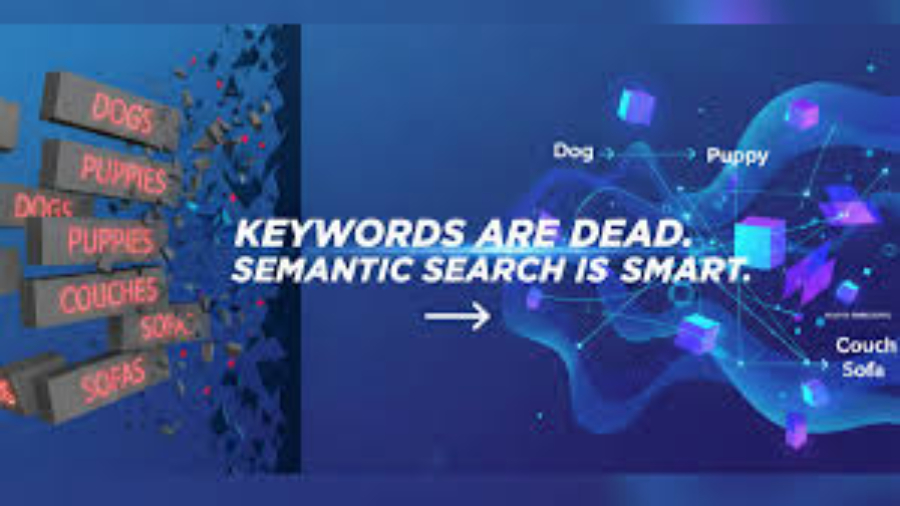
Search engines today are no longer simple keyword-matching machines. Modern algorithms now understand meaning, context, and user intent. Instead of simply looking for exact keyword matches, they interpret topics, relationships between words, and the purpose of a search query.

This shift has led many digital marketers to ask an important question:

Is the keyword dead?

The answer is both yes and no.

Keywords still matter, but they are no longer the primary foundation of SEO. Instead, search engines are moving toward semantic search, which focuses on understanding the meaning behind searches rather than just the words themselves.

This transformation is shaping what experts call the Semantic SEO strategy 2026.

In this article, we will explore:

  • Why traditional keyword SEO is fading
  • How semantic search works
  • The rise of AI-driven search engines
  • How to build a powerful semantic SEO strategy
  • Why topic clusters and entities matter
  • Practical optimization techniques for 2026 and beyond

By the end of this guide, you will understand exactly how to adapt your SEO strategy for the future of search.

Understanding Traditional Keyword SEO

Before we explore semantic search, it is important to understand how traditional keyword SEO worked.

Early search engines were relatively simple. Their ranking systems relied heavily on matching keywords from a user query with keywords on a webpage.

For example:

If someone searched for:

“Best digital marketing agency”

Google would look for pages containing that exact phrase.

Common Keyword SEO Practices

Traditional SEO strategies included:

  • Keyword stuffing
  • Exact match keywords
  • High keyword density
  • Optimizing titles and headings with keywords
  • Building pages around individual keywords

Example:

A marketer might create separate pages for:

  • best digital marketing agency
  • digital marketing agency near me
  • top digital marketing agency

Even though the intent behind all these queries was similar.

Problems With Keyword-Only SEO

This keyword-focused approach created several problems:

Low Quality Content

Many websites created thin content just to rank for keywords.

Keyword Stuffing

Pages often repeated keywords unnaturally.

Poor User Experience

Content was optimized for algorithms instead of readers.

Manipulative SEO Practices

Some websites exploited keyword ranking tricks to dominate search results.

Search engines eventually realized this model was flawed.

They needed to understand what users actually meant, not just what words they typed.

That realization led to the development of semantic search.

What is Semantic Search?

Semantic search is the process where search engines attempt to understand the meaning, intent, and context behind a search query.

Instead of focusing on exact keywords, search engines analyze:

  • Search intent
  • Context of the query
  • Relationships between words
  • User behavior
  • Entities and topics

This allows search engines to deliver more accurate and helpful results.

Example of Semantic Search

User Query:

“Apple price”

The search engine must understand whether the user means:

  • Apple fruit
  • Apple stock price
  • Apple iPhone price
  • Apple company products

Semantic search uses context signals to determine the most relevant meaning.

The Evolution of Search Engines

Several major algorithm updates pushed search toward semantic understanding.

Google Hummingbird

Introduced better natural language processing and query interpretation.

Google RankBrain

Used machine learning to understand search queries.

BERT Algorithm

Improved understanding of conversational queries.

MUM Algorithm

Allowed search engines to understand complex questions across languages.

These innovations made it possible for search engines to interpret search intent rather than simple keywords.

Why Keywords Alone No Longer Work

The rise of AI and machine learning has transformed how search engines rank content.

Here are the main reasons traditional keyword strategies are declining.

Search Intent Matters More Than Keywords

Search engines now focus on why a user searches.

Common search intents include:

  • Informational
  • Navigational
  • Transactional
  • Commercial investigation

If your content does not match the intent, it will struggle to rank.

Natural Language Queries

People now search using conversational phrases such as:

  • “What is the best SEO strategy for small businesses?”
  • “How does semantic SEO work?”

Voice search and AI assistants have accelerated this trend.

AI-Powered Search Engines

AI-powered systems analyze:

  • Meaning
  • Context
  • Topic relevance
  • Knowledge relationships

This reduces dependence on exact keyword matching.

The Rise of Semantic SEO

Semantic SEO focuses on optimizing content for topics, meaning, and context rather than just keywords.

The goal is to help search engines understand:

  • What your content is about
  • How it relates to other topics
  • How well it answers user questions

This approach forms the foundation of Semantic SEO strategy 2026.

Key Components of Semantic SEO Strategy 2026

To succeed in modern search, marketers must focus on several critical elements.

Topic Clusters

Topic clusters organize content around a central theme.

Instead of creating separate pages for similar keywords, you build:

  • One pillar page
  • Multiple supporting articles

Example:

Pillar Topic:

Digital Marketing

Supporting Articles:

  • SEO strategies
  • Social media marketing
  • Content marketing
  • PPC advertising

This structure helps search engines understand content relationships.

Search Intent Optimization

Content should be designed around what the user wants to achieve.

Examples:

Informational Intent
“How does SEO work?”

Transactional Intent
“Buy SEO tools online”

Matching search intent improves rankings significantly.

Entity-Based SEO

Entities are things or concepts recognized by search engines, such as:

  • Brands
  • People
  • Locations
  • Products

Search engines build knowledge graphs linking these entities.

Optimizing content around entities improves semantic relevance.

Contextual Content

Modern search engines evaluate:

  • Related terms
  • Synonyms
  • Supporting topics
  • Natural language

Instead of repeating the same keyword, content should include related concepts.

Example:

Topic: SEO

Related concepts:

  • search rankings
  • organic traffic
  • search algorithms
  • backlinks
  • website optimization

Structured Data

Structured data helps search engines understand the meaning of content.

Examples include:

  • FAQ schema
  • Article schema
  • Product schema
  • Review schema

This improves search visibility and rich results.

How AI is Shaping the Future of Search

Artificial intelligence is rapidly transforming how search works.

Modern search engines now rely on:

  • machine learning
  • natural language processing
  • knowledge graphs
  • AI-generated answers

Search results increasingly include:

  • AI summaries
  • featured snippets
  • knowledge panels

This makes semantic optimization even more important.

Building a Semantic SEO Strategy 2026

Now let’s explore practical steps to implement semantic SEO.

Focus on Topics, Not Keywords

Instead of targeting one keyword per page, focus on comprehensive topic coverage.

Example:

Topic: Digital Marketing

Include subtopics like:

  • SEO
  • content marketing
  • email marketing
  • analytics
  • paid advertising

This improves topical authority.

Conduct Intent-Based Keyword Research

Keyword research is still important, but the goal is different.

Instead of focusing only on search volume, analyze:

  • user intent
  • search context
  • question-based queries

Tools like:

  • Google Search
  • keyword research tools
  • AI SEO platforms

can help identify these patterns.

Create Comprehensive Content

Long-form content often performs better because it covers topics in depth.

High-quality semantic content should include:

  • definitions
  • explanations
  • examples
  • case studies
  • FAQs

This signals expertise to search engines.

Use Internal Linking

Internal links help search engines understand content relationships.

Example:

A page about SEO might link to articles about:

  • backlinks
  • keyword research
  • content marketing

This builds topical authority.

Optimize for AI Search

AI search engines analyze content differently.

To optimize for AI-driven results:

  • write clear explanations
  • answer common questions
  • structure content logically
  • use headings and lists

This increases the chances of appearing in AI-generated answers.

Common Mistakes to Avoid

Even experienced marketers make mistakes when transitioning to semantic SEO.

Keyword Stuffing

Repeating keywords excessively harms readability and rankings.

Thin Content

Short articles that lack depth struggle to rank.

Ignoring User Intent

Content that does not solve user problems will fail.

Poor Content Structure

Disorganized content is harder for search engines to understand.

Benefits of Semantic SEO

Adopting a Semantic SEO strategy 2026 offers several advantages.

Better Search Rankings

Content aligned with search intent ranks higher.

Improved User Experience

Helpful content increases engagement.

Higher Organic Traffic

Semantic optimization captures more related queries.

Future-Proof SEO

Semantic strategies adapt better to algorithm updates.

The Future of SEO

SEO is evolving rapidly.

Future search trends include:

  • AI-driven search engines
  • conversational queries
  • personalized search results
  • voice search
  • visual search

In this environment, semantic understanding will dominate search rankings.

Marketers who continue focusing only on keywords will struggle to compete.

Conclusion

The idea that keywords are dead is not entirely accurate.

Keywords still play an important role in SEO.

However, they are no longer the foundation of search optimization.

Modern search engines are focused on meaning, context, and intent.

This shift has created a new era of optimization built around semantic understanding.

Businesses that adopt a Semantic SEO strategy 2026 will gain significant advantages in visibility, traffic, and search performance.

Instead of chasing individual keywords, marketers must focus on:

  • topic authority
  • user intent
  • entity optimization
  • comprehensive content

The future of SEO belongs to those who understand the language of search engines and the needs of users.

And that future is semantic.

Why Your Website Isn’t Showing Up in AI Overviews (And How to Fix It) – Improve AI Share of Voice (SOV)

Introduction

Search is evolving faster than ever before. Traditional search engine optimization (SEO) used to focus on ranking websites in the top ten blue links on search engines. However, the rise of AI-powered search experiences is transforming how information is discovered online.

One of the most significant changes is AI Overviews, where AI-generated answers summarize information from multiple sources directly on the search results page. These summaries often appear above traditional organic results, meaning users can get their answers without clicking through to websites.

While this shift improves convenience for users, it creates a new challenge for businesses and content creators. Many websites are finding that their content is no longer visible in search results the same way it used to be. Even if your site ranks well organically, it might not appear in AI-generated summaries.

This is where AI Share of Voice (SOV) becomes crucial.

AI Share of Voice refers to how often your brand, website, or content appears in AI-generated search responses. If your site isn’t showing up in AI Overviews, your digital visibility and traffic could decline significantly.

The good news is that this problem can be fixed.

In this detailed guide, we will explore:

  • Why your website isn’t appearing in AI Overviews
  • How AI search engines choose sources
  • The importance of AI Share of Voice (SOV)
  • Key optimization strategies to increase visibility
  • How businesses can adapt their SEO strategy for AI-driven search

By the end of this article, you’ll understand how to position your website for the future of AI-powered search.

Understanding AI Overviews

AI Overviews are AI-generated summaries that appear at the top of search engine results pages. Instead of showing only a list of links, search engines now provide a synthesized answer generated from multiple sources across the web.

These summaries combine information from:

  • Websites
  • Articles
  • Forums
  • Knowledge bases
  • News content
  • Authoritative sources

AI then generates a clear, concise answer that directly addresses the user’s query.

This fundamentally changes how search visibility works.

Previously, ranking #1 meant maximum visibility. Today, appearing in AI-generated responses can be even more valuable.

This shift introduces a new metric: AI Share of Voice (SOV).

What Is AI Share of Voice (SOV)?

AI Share of Voice (SOV) measures how frequently your brand or website appears in AI-generated search responses compared to competitors.

Instead of focusing only on search rankings, AI Share of Voice focuses on presence within

AI answers.

For example:

If a user searches:

“Best SEO strategies for AI search”

An AI Overview might summarize information from 5 different websites.

If your site is included in that summary, you gain AI Share of Voice.

If your competitors appear instead of you, they capture that visibility.

AI Share of Voice is quickly becoming a key digital marketing metric because:

  • AI search reduces clicks
  • AI answers summarize multiple sources
  • Visibility depends on AI citations

In the AI search era, being part of the answer matters more than just ranking on page one.

Why Your Website Isn’t Showing Up in AI Overviews

There are several reasons why your website might not appear in AI-generated summaries.

Let’s explore the most common causes.

Your Content Lacks Topical Authority

AI systems prioritize authoritative sources when generating answers.

If your website publishes only a few articles about a topic, AI may not consider it a trusted source.

Topical authority means demonstrating expertise across an entire subject area.

For example, if your niche is digital marketing, you should publish content covering topics such as:

  • SEO strategies
  • Content marketing
  • AI search optimization
  • Conversion optimization
  • Analytics
  • Marketing automation

When a website consistently publishes high-quality content around a topic, AI models are more likely to cite it.

How to Fix It

Build topic clusters around your niche.

For example:

Main Topic:
AI Search Optimization

Supporting Articles:

  • What is AI search
  • AI Share of Voice (SOV)
  • Generative Engine Optimization
  • How AI Overviews work
  • Ranking factors for AI search

This signals expertise and improves your chances of appearing in AI summaries.

Your Content Isn’t Structured for AI

AI systems rely heavily on structured information.

If your content is difficult to parse, AI may skip it when generating summaries.

Common problems include:

  • Large blocks of text
  • No headings
  • No structured sections
  • Poor readability
  • Lack of bullet points

AI prefers content that is easy to understand and extract information from.

How to Fix It

Use a structured format:

  • Clear headings (H1, H2, H3)
  • Bullet points
  • Short paragraphs
  • FAQs
  • Lists
  • Step-by-step guides

Structured content improves both user experience and AI visibility.

Your Website Lacks Credibility Signals

AI systems evaluate trust signals when choosing sources.

Websites with stronger credibility are more likely to be cited in AI Overviews.

Key credibility signals include:

  • Author expertise
  • Backlinks from reputable sites
  • Citations
  • Updated content
  • Industry authority

If your website lacks these signals, AI may ignore your content.

How to Fix It

Strengthen your authority through:

  • Expert author profiles
  • High-quality backlinks
  • Industry partnerships
  • Original research
  • Data-driven content

Credibility is a major factor in improving AI Share of Voice (SOV).

Your Content Doesn’t Directly Answer Questions

AI Overviews are designed to answer questions quickly.

If your content doesn’t clearly address search queries, AI will not use it.

For example, consider this search query:

“Why is my website not appearing in AI search?”

AI will prefer content that directly answers that question.

How to Fix It

Use question-based headings.

Examples:

  • Why is my website not appearing in AI Overviews?
  • How does AI Share of Voice work?
  • What factors influence AI search rankings?

Direct answers increase the likelihood of being included in AI summaries.

Your Site Has Weak E-E-A-T Signals

Search engines evaluate websites using E-E-A-T principles:

  • Experience
  • Expertise
  • Authoritativeness
  • Trustworthiness

AI systems also rely on these signals.

If your website lacks expertise indicators, it may be excluded from AI responses.

How to Fix It

Improve E-E-A-T by:

  • Publishing expert-written content
  • Adding author bios
  • Including sources and citations
  • Updating articles regularly
  • Maintaining transparent contact information

Strong E-E-A-T signals help improve AI Share of Voice (SOV).

You’re Not Optimizing for Generative Engine Optimization (GEO)

Traditional SEO focuses on search engine rankings.

However, AI search requires a new approach called Generative Engine Optimization (GEO).

GEO focuses on optimizing content specifically for AI systems.

This includes:

  • Clear explanations
  • Structured answers
  • Topic authority
  • Conversational content
  • Contextual relevance

Without GEO strategies, websites struggle to appear in AI-generated results.

How to Improve Your AI Share of Voice (SOV)

Now that we understand the problems, let’s explore practical solutions.

Create AI-Friendly Content

AI systems prefer content that is:

  • Structured
  • Informative
  • Clear
  • Concise

Best practices include:

  • Use headings and subheadings
  • Write clear explanations
  • Use bullet points
  • Include summaries

Well-structured content increases AI visibility.

Focus on Long-Form Content

Comprehensive content often performs better in AI search.

Long-form articles provide:

  • More context
  • Deeper insights
  • Better topic coverage

This improves the likelihood of being cited in AI responses.

Build Topical Authority

Instead of publishing random articles, focus on a specific niche.

Create content clusters that cover every aspect of a topic.

Example cluster for AI SEO:

  • AI search explained
  • AI Share of Voice
  • GEO optimization strategies
  • AI Overviews ranking factors
  • AI content optimization

This strengthens your authority.

Add FAQ Sections

FAQ sections help AI systems extract direct answers.

Example:

What is AI Share of Voice?

AI Share of Voice measures how frequently a brand appears in AI-generated search results compared to competitors.

FAQs improve your chances of appearing in AI summaries.

Use Schema Markup

Structured data helps search engines understand your content.

Common schema types include:

  • FAQ schema
  • Article schema
  • How-to schema
  • Organization schema

Schema markup helps AI systems interpret information more effectively.

Build High-Quality Backlinks

Backlinks remain an important ranking factor for both traditional and AI search.

Links from reputable websites strengthen authority and increase trust signals.

This improves AI Share of Voice (SOV).

The Future of SEO: AI Visibility

Search engines are rapidly evolving toward AI-powered experiences.

Traditional SEO alone is no longer enough.

Businesses must now optimize for:

  • AI search
  • Conversational queries
  • Generative answers
  • AI Share of Voice (SOV)

Companies that adapt early will gain a significant competitive advantage.

Those who ignore these changes risk losing search visibility.

Final Thoughts

The rise of AI-powered search is transforming how websites gain visibility online.

If your website isn’t showing up in AI Overviews, it doesn’t mean your SEO strategy is failing. It simply means the rules of search are evolving.

The key to success is improving your AI Share of Voice (SOV) by optimizing your content for AI systems.

Focus on:

  • Creating structured content
  • Building topical authority
  • Strengthening credibility signals
  • Using Generative Engine Optimization
  • Publishing unique, valuable insights

By adapting your SEO strategy to AI search, your website can regain visibility and even outperform competitors in the new search landscape.

AI search is not replacing SEO—it is evolving it.

The websites that understand this shift and optimize for AI Share of Voice (SOV) will dominate the future of digital visibility.

Why Your Website Isn’t Showing Up in AI Overviews (And How to Fix It) | Improve AI Share of Voice (SOV)

The way people search online is changing rapidly. Traditional search engine results pages are evolving, and artificial intelligence is playing a central role in delivering information faster and more efficiently. One of the most significant innovations in this transformation is AI Overviews.

AI Overviews provide users with summarized answers generated by AI models directly within search results. Instead of clicking through multiple links, users receive quick insights from various trusted sources.

However, many website owners, bloggers, and digital marketers are noticing something concerning: their websites are not appearing in AI Overviews at all.

Even websites that rank well in traditional search results may be completely absent from AI-generated summaries. This can significantly impact website traffic, brand visibility, and authority.

To succeed in the new AI-driven search ecosystem, businesses must understand and improve their AI Share of Voice (SOV)—a metric that measures how frequently a brand appears in AI-generated search responses.

This article explores why your website may not appear in AI Overviews and provides practical strategies to improve your AI Share of Voice (SOV) and gain visibility in AI search results.

Understanding AI Overviews in Search Engines

AI Overviews are AI-generated summaries displayed at the top of search results that provide quick answers to user queries.

Instead of showing a list of links, AI systems analyze multiple web pages, extract key information, and present a summarized response.

These summaries are generated by advanced AI systems integrated into search platforms, including:

  • Google AI-powered search
  • Microsoft AI search experiences
  • OpenAI AI search tools

AI Overviews rely on high-quality sources and structured information to generate responses.

If your website is not optimized for AI consumption, it may be ignored entirely when the AI builds its response.

This is where AI Share of Voice (SOV) becomes critical.

What is AI Share of Voice (SOV)?

AI Share of Voice (SOV) measures how often your brand or website appears in AI-generated answers across different search engines and AI assistants.

In traditional SEO, Share of Voice measures visibility in search results. In AI-driven search, it measures how often AI systems cite or reference your content.

A higher AI Share of Voice means:

  • Your content is trusted by AI systems
  • Your website is used as a source for answers
  • Your brand gains more exposure in AI summaries

If your AI SOV is low, it means AI systems are ignoring your content when generating responses.

Why Your Website Isn’t Showing Up in AI Overviews

There are several reasons why your website may not appear in AI-generated search results.

Understanding these factors is the first step toward fixing the problem.

Your Content Lacks Topical Authority

AI search engines prefer authoritative sources that demonstrate expertise in a specific subject area.

If your website publishes random topics without a clear niche, AI systems may not view it as a reliable source.

For example, if your website publishes:

  • Digital marketing today
  • Fashion tomorrow
  • Health advice the next day

AI systems may struggle to categorize your expertise.

How to Fix It

Focus on topical authority.

Create clusters of related content around a specific subject such as:

  • Digital marketing
  • SEO
  • AI optimization
  • Content strategy

Publishing multiple in-depth articles on related topics increases your credibility.

This improves your AI Share of Voice (SOV) because AI systems trust subject experts.

Your Content Is Not Structured for AI

AI models extract information more effectively when content is structured clearly.

Poor formatting can make it difficult for AI systems to understand your page.

Common mistakes include:

  • Long paragraphs
  • No headings
  • No structured sections
  • Lack of bullet points

How to Fix It

Use AI-friendly formatting such as:

  • Clear headings (H2, H3)
  • Bullet lists
  • Short paragraphs
  • FAQs
  • Summary sections

Structured content helps AI extract key insights quickly.

Your Website Lacks Strong E-E-A-T Signals

Search engines and AI systems prioritize content with strong E-E-A-T signals:

  • Experience
  • Expertise
  • Authoritativeness
  • Trustworthiness

If your website lacks credibility signals, AI systems may avoid referencing it.

Signs of weak E-E-A-T include:

  • No author information
  • No references or sources
  • Thin content
  • No brand authority

How to Fix It

Improve credibility by:

  • Adding author profiles
  • Showing expertise
  • Including references
  • Publishing detailed guides
  • Building backlinks

These signals improve trust and increase AI Share of Voice (SOV).

Your Content Is Too Generic

AI systems prefer unique insights instead of generic information.

Many websites simply rewrite existing content without adding new value.

Generic articles often fail to appear in AI Overviews.

How to Fix It

Add:

  • Original research
  • Case studies
  • Expert opinions
  • Data insights
  • Real-world examples

Unique content improves your chances of being cited in AI responses.

Your Website Has Poor Technical SEO

Technical SEO plays a major role in AI content discovery.

If search engines struggle to crawl or index your website, AI systems cannot use your content.

Common technical issues include:

  • Slow website speed
  • Broken links
  • Poor mobile experience
  • Missing schema markup

How to Fix It

Improve technical SEO by:

  • Optimizing page speed
  • Using schema markup
  • Improving mobile usability
  • Fixing crawl errors

A technically optimized website increases AI visibility.

Your Brand Is Not Mentioned Across the Web

AI systems often reference brands that appear frequently across trusted websites.

If your brand lacks mentions, it may not be considered authoritative.

How to Fix It

Increase brand mentions through:

  • Guest blogging
  • PR campaigns
  • Industry partnerships
  • Social media discussions
  • Podcast interviews

More brand mentions increase AI Share of Voice (SOV).

Your Content Doesn’t Answer Specific Questions

AI Overviews are designed to answer user questions quickly.

If your content does not directly answer questions, AI systems may skip it.

How to Fix It

Include:

  • FAQ sections
  • Question-based headings
  • Direct answers

For example:

What is AI Share of Voice?
How can businesses improve AI visibility?

This format increases the chances of being cited.

Your Website Has Weak Backlinks

Backlinks remain a strong signal of credibility.

AI systems often rely on trusted sources with strong link profiles.

How to Fix It

Build backlinks through:

  • Guest posts
  • Research reports
  • Infographics
  • Industry collaborations

Quality backlinks improve both SEO and AI Share of Voice (SOV).

Your Content Is Not Updated Regularly

AI systems prefer fresh and updated information.

Outdated content may be ignored in AI summaries.

How to Fix It

Update content regularly by:

  • Adding new insights
  • Updating statistics
  • Improving explanations
  • Expanding sections

Fresh content signals relevance.

How to Improve Your AI Share of Voice (SOV)

Improving AI Share of Voice (SOV) requires a combination of SEO, authority building, and AI optimization.

Here are some key strategies.

Create Deep Topic Clusters

Instead of publishing isolated articles, create interconnected topic clusters.

For example:

Main Topic: AI SEO

Supporting Articles:

  • AI Overviews explained
  • AI Share of Voice strategy
  • Generative Engine Optimization
  • AI search ranking factors

Topic clusters strengthen expertise.

Optimize for Conversational Queries

AI search engines prioritize natural language questions.

Examples include:

  • “Why is my website not in AI Overviews?”
  • “How to improve AI Share of Voice?”

Include conversational phrases in your content.

Add Structured Data

Schema markup helps AI systems understand page content.

Useful schemas include:

  • FAQ schema
  • Article schema
  • Organization schema

This improves content comprehension.

Build Brand Authority

AI systems trust recognizable brands.

Ways to build authority include:

  • Publishing expert content
  • Participating in industry discussions
  • Creating research reports

Authority increases your AI Share of Voice (SOV).

Create Data-Driven Content

AI systems prefer content supported by data.

Examples include:

  • Industry statistics
  • Surveys
  • Case studies

Data-rich articles are more likely to be referenced.

Improve Content Depth

Short articles rarely appear in AI summaries.

Instead, publish:

  • Comprehensive guides
  • Detailed tutorials
  • In-depth analysis

Long-form content increases AI relevance.

The Future of AI Search Visibility

AI search will continue evolving.

Instead of ranking pages, AI systems are ranking information sources.

Websites that provide:

  • reliable information
  • structured content
  • expert insights

will dominate AI search visibility.

Improving AI Share of Voice (SOV) will become one of the most important digital marketing metrics.

Businesses that adapt early will gain a major competitive advantage.

Final Thoughts

The rise of AI Overviews is transforming how users access information online. Websites that once relied on traditional SEO strategies must now adapt to AI-powered search experiences.

If your website is not appearing in AI-generated summaries, the problem may lie in your content structure, authority signals, or overall search optimization strategy.

By focusing on:

  • high-quality content
  • strong topical authority
  • structured information
  • technical SEO
  • brand credibility

you can significantly improve your AI Share of Voice (SOV) and increase your chances of appearing in AI search results.

The future of search is no longer just about ranking on the first page. It is about becoming a trusted source for AI-generated knowledge.

Businesses and creators who optimize for AI today will lead the search landscape of tomorrow.